Skip to content
Projects EdTech / Research · 2023

JedLab

Making academic research accessible through modern web design

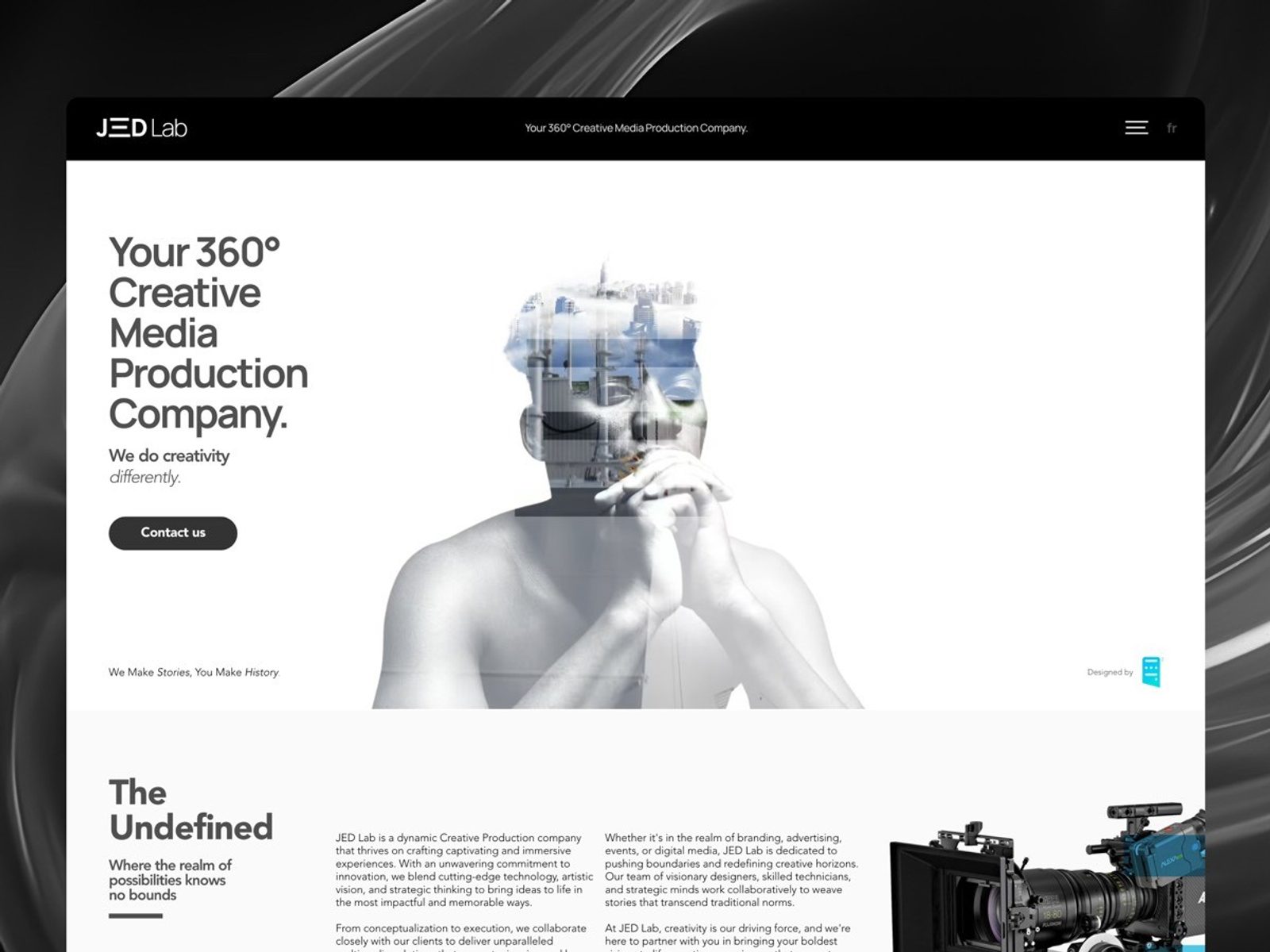
JedLab cover image by AGR Studio

How AGR Studio designed JedLab's EdTech website with a research library CMS, dual-audience architecture, and Google Scholar optimization on Framer.

Client
JedLab
Industry
EdTech / Research
Year
2023
Services
  • Web Design
  • Framer Development
  • Research CMS
  • Resource Library
Tech stack
  • Framer
  • CMS
  • PDF Integration
  • Search

The brief

JedLab is an educational technology research organization producing academic publications, curriculum frameworks, and professional development programs. Their website served a dual purpose: academic credibility for the research community and practical accessibility for educators seeking evidence-based teaching resources.

The existing site was a text-heavy academic layout that deterred the educator audience while providing only basic functionality for the research community. The redesign needed to serve both without compromising either.
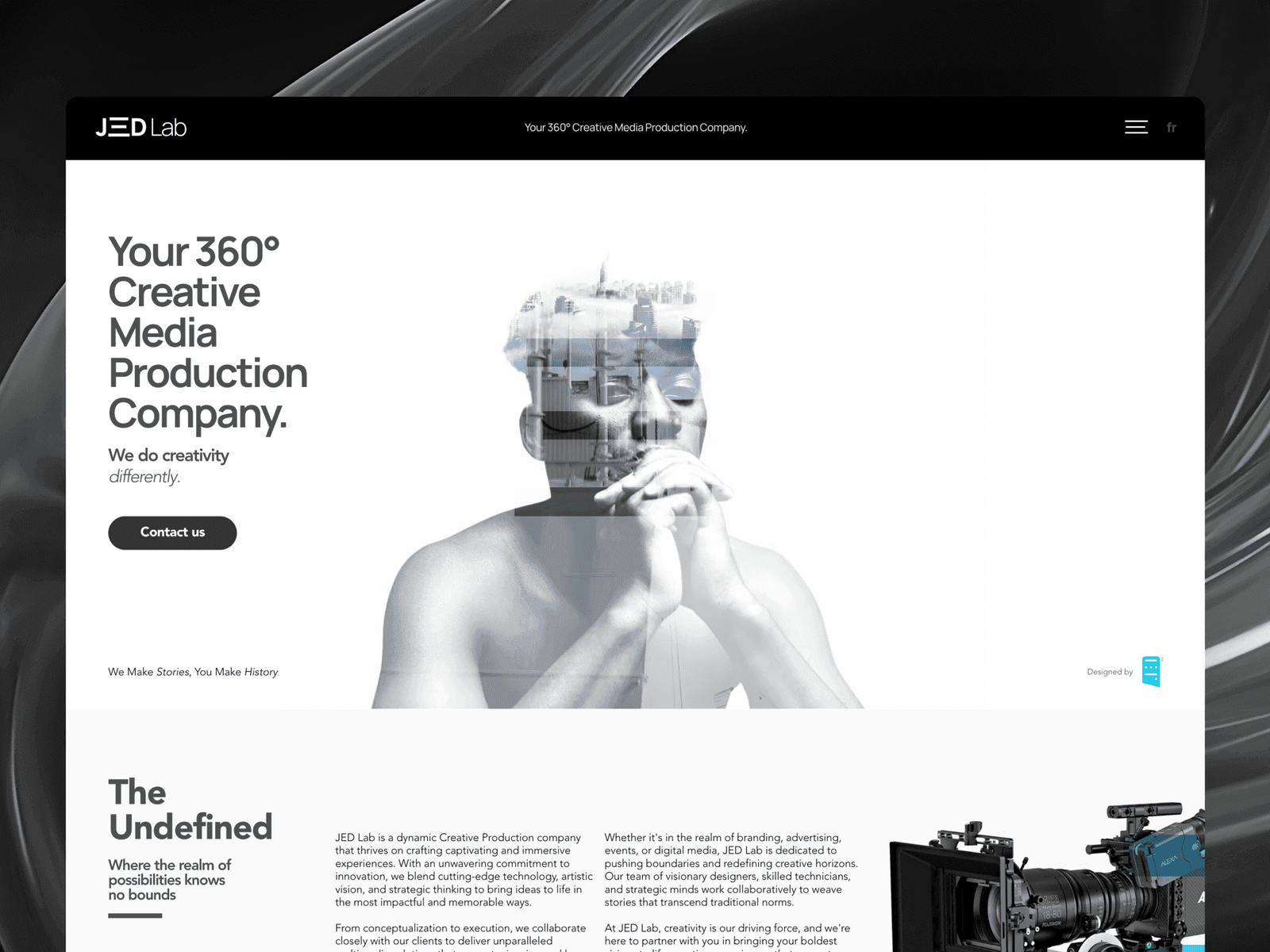

JedLab website, image 2, by AGR Studio

Discovery & strategy

Dual Audience Architecture

Researchers and educators have fundamentally different content consumption patterns. Researchers want citation-ready publications, methodology details, and research team credentials. Educators want practical guides, downloadable resources, and implementation examples. We built separate content pathways that share underlying CMS infrastructure but present content differently based on the visitor's context.

Design approach

Academic Meets Modern

The design respects academic conventions (clean typography, structured layouts, citation formatting) while adding modern web expectations (responsive design, fast loading, intuitive navigation). The visual language uses a restrained palette with an accent color that signals educational warmth without undermining academic seriousness.

Development & build

Research Library CMS

The research library CMS supports academic content types: publications with full citation metadata, research reports with downloadable PDFs, conference presentations with embedded slides, and curriculum frameworks with structured outlines. Each resource type has its own template optimized for its specific content and audience.

Search and filtering use multiple taxonomies, subject area, grade level, publication type, and year, enabling both researchers and educators to find relevant content quickly. Every resource page includes structured data markup for Google Scholar indexing.

Results & impact

Accessibility Impact

The redesigned site dramatically improved content discoverability. Educators who previously requested resources via email could now find and download materials independently. Research publications gained wider visibility through improved SEO and Google Scholar integration. The CMS reduced publication time from weeks to hours as the team could publish directly without web developer involvement.

Free 20-min intro call

Tell us what you’re building

Tell us about your goals and we will reply within a day with a clear scope and next steps.